
Attorney truck accident for low clearance bridge strikes
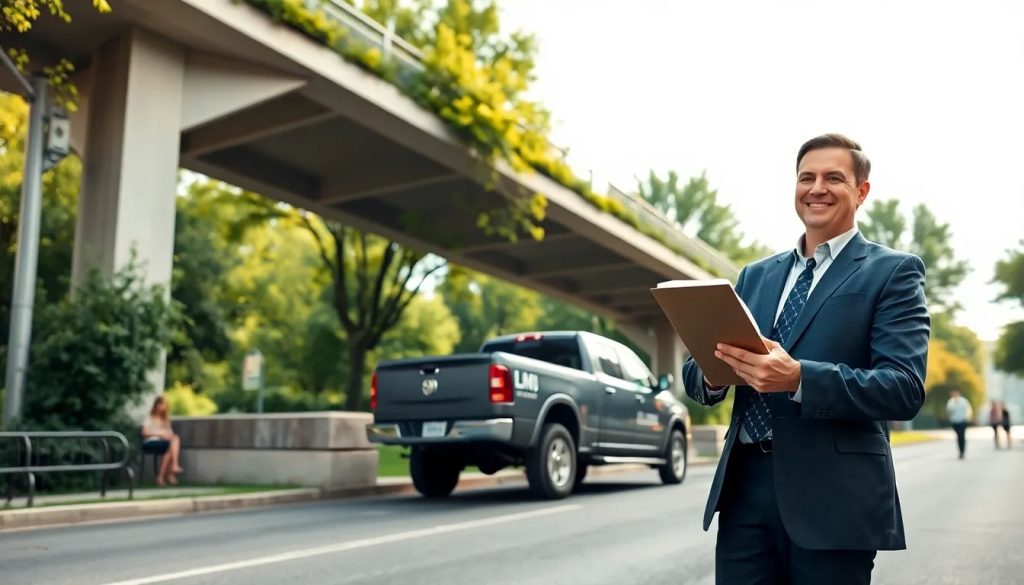
Bridge strike accidents involving commercial trucks pose significant risks, often leading to severe injuries and substantial property damage. Understanding the complexities of these incidents is crucial for victims seeking justice and compensation.
This article aims to explore the liability, causes, and preventive measures regarding truck accidents related to low clearance bridge strikes, ensuring you have the information needed to navigate these challenging situations.
Who is liable for bridge strike accidents involving commercial trucks?
Determining liability in bridge strike accidents often involves multiple parties, including the driver, trucking companies, and even government agencies. Understanding who is responsible is vital for victims seeking compensation.
In many cases, the driver may be found liable due to negligence, such as distracted driving or failure to follow posted height limits. However, trucking companies can also share responsibility if they fail to provide adequate training or enforce safety protocols.
Government entities may also be held accountable if they neglect to maintain proper signage or clearances. This shared liability complicates cases, making it essential to gather all relevant evidence to support your claim.
What is a bridge strike and why does it happen?
A bridge strike occurs when a vehicle, usually a commercial truck, collides with a bridge or overpass. These incidents typically happen when trucks exceed height limitations due to poor planning or lack of awareness. Understanding the factors that contribute to these accidents can help prevent them.
Common reasons for bridge strikes include:
- Failure to adhere to posted height restrictions
- Poor visibility conditions, such as fog or rain
- Driver distraction or inexperience
- Inadequate route planning
Bridge strikes can lead to significant damage and serious injuries, making it essential for trucking companies to implement strict safety measures to mitigate risks.
What are the most common causes of bridge strike accidents?
Bridge strike accidents can result from various factors, each contributing to the risk of collision. Some of the most prevalent causes include:
- Exceeding clearance heights: Drivers may underestimate the height of their vehicle, leading to collisions.
- Poor signage: Lack of clear and visible warning signs can result in unprepared drivers.
- Driver negligence: Distractions or fatigue can impair a driver's ability to navigate safely.
- Weather conditions: Adverse weather can reduce visibility and impact driving safety.
Addressing these issues is crucial for reducing the frequency of bridge strikes. Trucking companies and drivers must prioritize safety and adhere to regulations to prevent such accidents.
How can I prove liability in a bridge strike truck accident?
Proving liability in a bridge strike accident requires thorough documentation and evidence. Victims should collect the following:
- Police reports detailing the accident
- Photographic evidence of the scene and damage
- Witness statements supporting your claim
- Any relevant traffic camera footage
In legal terms, establishing negligence often involves demonstrating that the driver or trucking company failed to meet safety standards. Consulting an experienced attorney can significantly enhance your chances of a successful outcome in your claim.
What types of injuries are common in bridge strike incidents?
Victims of bridge strike accidents often suffer from severe injuries that can have long-lasting effects. Common injuries include:
- Traumatic brain injuries (TBIs)
- Fractures and broken bones
- Spinal cord injuries
- Soft tissue injuries
These injuries can lead to substantial medical expenses and might affect the victim's quality of life. It's crucial for victims to seek immediate medical attention and document their injuries for potential claims.
How do I navigate a truck accident claim related to bridge strikes?
Navigating a truck accident claim can be complex, especially in cases involving bridge strikes. The following steps can help simplify the process:
- Gather evidence: Document everything related to the incident, including photos, police reports, and medical records.
- Consult with an attorney: An experienced attorney truck accident for low clearance bridge strikes can provide valuable guidance.
- File your claim: Submit your claim promptly to ensure you meet any deadlines.
- Negotiate settlements: Be prepared to negotiate with insurance companies for fair compensation.
Following these steps can enhance your chances of receiving a favorable outcome in your case.
What legal support is available for victims of bridge strikes?
Victims of bridge strike accidents can access various forms of legal support. Attorneys specializing in truck accidents can provide essential services, including:
- Evaluating your case and determining liability
- Assisting with documentation and evidence collection
- Negotiating with insurance companies on your behalf
- Representing you in court if necessary
Having a knowledgeable attorney can make a significant difference in the outcome of your claim, ensuring you receive the compensation you deserve.
How can preventive measures reduce bridge strike accidents?
Implementing preventive measures is crucial to reducing the occurrence of bridge strike accidents. Strategies include:
- Route planning: Trucking companies should establish safe routes that account for vehicle height.
- Driver training: Regular training can help drivers understand height limitations and safe driving practices.
- Improved signage: Adequate signage alerts drivers of height restrictions ahead of time.
- Regular vehicle maintenance: Ensuring vehicles are in proper working condition can prevent failures that might lead to accidents.
By taking these steps, trucking companies can minimize the risk of bridge strikes and enhance overall road safety.
Related questions about truck accidents and bridge strikes
How much are most truck accident settlements?
The amount of truck accident settlements can vary widely depending on various factors, including the severity of injuries, property damage, and the degree of negligence involved. On average, settlements can range from a few thousand dollars to several million, with higher amounts typically awarded for more severe cases.
Factors such as medical expenses, lost wages, and pain and suffering are taken into account when determining settlement amounts. It's crucial to consult with an attorney to get a realistic expectation based on your specific case.
Is it worth getting an attorney for a vehicle accident?
Yes, hiring an attorney can be highly beneficial following a vehicle accident. An experienced attorney can navigate the complex legal landscape, ensuring that your rights are protected and that you receive fair compensation.
Attorneys bring valuable knowledge about local laws and the intricacies involved in negotiating with insurance companies, which can significantly improve your chances of a favorable outcome.
What happens if a truck hits a bridge?
If a truck hits a bridge, it can result in significant damage to both the vehicle and the bridge. Such incidents often lead to serious injuries for those involved, as well as legal implications for the truck driver and the trucking company.
Investigations typically follow to determine the cause of the accident, which may include assessing driver negligence, equipment failure, or inadequate signage.
What not to say to an injury lawyer?
When speaking with an injury lawyer, avoid making statements that could undermine your case, such as admitting fault or downplaying your injuries. Presenting your case clearly and truthfully is crucial for the attorney to build a strong representation on your behalf.
Being open and honest with your lawyer will ensure they have all the information necessary to advocate for your best interests effectively.


Deja una respuesta