
Attorney truck accident for logging truck safety violations
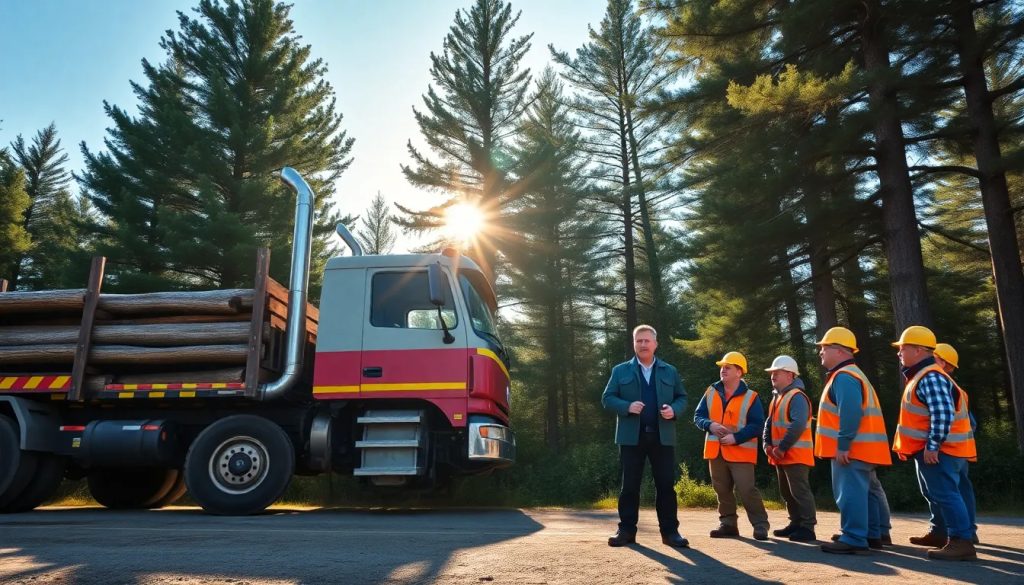
Accidents involving logging trucks can be devastating, leading to severe injuries and complex legal battles. Understanding the nuances of these accidents is crucial for victims seeking justice and compensation. This guide serves as a comprehensive resource for those affected by logging truck accidents and highlights the importance of legal representation.
With oversized loads and unique operational challenges, logging trucks pose significant risks on the road. If you've been involved in an accident, knowing your rights and the role of an attorney truck accident for logging truck safety violations can make all the difference.
What are the common causes of logging truck accidents?
Logging truck accidents often stem from multiple factors that can compromise safety. Common causes include:
- Driver negligence: Distraction, fatigue, or poor decision-making can lead to catastrophic results.
- Overloaded vehicles: Exceeding weight limits can affect a truck's handling and braking ability.
- Poor maintenance: Inadequate inspection and repair of trucks can result in mechanical failures.
- Environmental factors: Weather conditions, such as rain or snow, can make roads hazardous.
Furthermore, cargo dislodging from improperly secured loads is a frequent issue that can cause serious accidents. Understanding these causes is essential for victims when pursuing legal action and determining liability.
How can an attorney help with logging truck safety violations?
An experienced attorney specializing in logging truck accidents can provide invaluable support. They can help identify safety violations and regulatory breaches that may have contributed to the accident. With their expertise, they can:
- Investigate the accident: Collect evidence and witness statements to build a strong case.
- Negotiate with insurers: Work to secure fair compensation for damages and injuries.
- Represent you in court: Provide skilled representation if the case goes to trial.
Attorneys understand the complexities involved in navigating liability in logging truck accidents. They can help victims claim compensation for medical expenses, lost wages, and emotional distress.
What types of injuries are common in logging truck accidents?
The severity of injuries sustained in logging truck accidents can be alarming. Common injuries include:
- Traumatic brain injuries: Often resulting from severe impacts, these can have lifelong effects.
- Spinal cord injuries: Damage can lead to paralysis or chronic pain conditions.
- Amputations: Severe accidents may necessitate limb removal.
- Internal injuries: These can be life-threatening and may not surface immediately after the accident.
Seeking prompt medical attention is crucial, as early diagnosis and treatment can significantly improve outcomes. Additionally, documenting injuries is vital for any potential legal claims.
Who can be held liable in a logging truck accident?
Determining liability in logging truck accidents can be complex. Several parties may share responsibility, including:
- Truck drivers: If negligent behavior contributed to the accident.
- Logging companies: If they failed to uphold safety standards or adequately train drivers.
- Vehicle manufacturers: In cases involving defective parts.
- Maintenance providers: If improper maintenance led to the accident.
Navigating these layers of liability often requires legal expertise, making it essential to consult an attorney familiar with logging truck accident liability.
What should you do after a logging truck accident?
After a logging truck accident, taking immediate and appropriate action is crucial for your safety and any potential legal claims. Follow these steps:
- Ensure safety: Move to a safe location if possible and check for injuries.
- Call for help: Contact emergency services and report the accident.
- Document the scene: Take photos and gather witness information.
- Seek medical attention: Even if injuries seem minor, some may not be immediately apparent.
- Contact an attorney: Early legal advice can protect your rights and ensure proper steps are taken.
Following these steps can lay a strong foundation for any legal proceedings and ensure you obtain the necessary compensation.
How do federal regulations affect logging truck operations?
Federal trucking regulations play a significant role in ensuring the safety of logging truck operations. These regulations set standards for various aspects, including:
- Driver qualifications: Ensuring drivers are properly trained and licensed.
- Vehicle maintenance: Mandating regular inspections and repairs to keep vehicles roadworthy.
- Weight limits: Establishing maximum allowable weights to prevent overloaded trucks.
Compliance with federal regulations is essential for safe operations in the logging industry. Violations can lead to accidents and liability, underscoring the need for legal representation to navigate these complexities.
What are the long-term effects of injuries from logging truck accidents?
Injuries sustained in logging truck accidents can have lasting consequences. Long-term effects may include:
- Chronic pain: Many victims suffer from ongoing pain conditions that impact daily life.
- Emotional and psychological trauma: PTSD and anxiety can develop following traumatic experiences.
- Financial strain: Ongoing medical expenses and lost income can lead to significant financial burdens.
Understanding these potential long-term effects is vital for victims seeking compensation. Consulting with an attorney can help ensure that all future needs are considered in any settlement or court case.
Related Questions about Logging Truck Accidents
How much are most truck accident settlements?
The amount of truck accident settlements can vary widely based on the severity of injuries, damages incurred, and liability. On average, settlements can range from thousands to millions of dollars. Factors influencing settlement amounts include:
- Extent of injuries and medical treatment required.
- Impact on the victim's quality of life.
- Property damage costs.
- Potential for future medical expenses.
Engaging with an attorney can help victims understand what to expect and maximize their potential compensation.
Is it worth getting an attorney for a vehicle accident?
Yes, hiring an attorney after a vehicle accident, particularly a logging truck accident, is often invaluable. An attorney provides:
- Expertise: Knowledge of the legal system and accident claims.
- Negotiation skills: Ability to negotiate with insurance companies for fair compensation.
- Peace of mind: Reduces stress, allowing victims to focus on recovery.
In many cases, the benefits of hiring an attorney outweigh the costs, leading to better outcomes for victims.
What are the effects of log violations?
Log violations can lead to serious consequences, including increased risks of accidents and injuries on the road. Specific effects may include:
- Increased liability: Violations can expose logging companies and drivers to greater liability in accidents.
- Legal repercussions: Companies can face fines and penalties for non-compliance with safety regulations.
- Insurance complications: Violations may lead to difficulties in receiving appropriate coverage or compensation.
Understanding these effects emphasizes the importance of adhering to safety regulations in the logging industry.
What not to say to an injury lawyer?
When meeting with an injury lawyer, it's essential to communicate openly but avoid specific statements that can harm your case. Common pitfalls include:
- Acknowledging fault or liability.
- Making exaggerated claims about injuries.
- Disclosing too much personal information unrelated to the case.
Sticking to the facts and seeking guidance from the attorney on what to discuss can help protect your interests.
 Attorney truck accident for refrigerated truck mechanical failure
 Attorney truck accident for mail truck postal vehicle crashes
 Attorney truck accident for commercial van fleet collisions
 Attorney truck accident for interstate pileup litigation
 Attorney truck accident for hazmat spill environmental claims
Deja una respuesta