
Attorney truck accident for chain reaction highway pileups: what you need to know
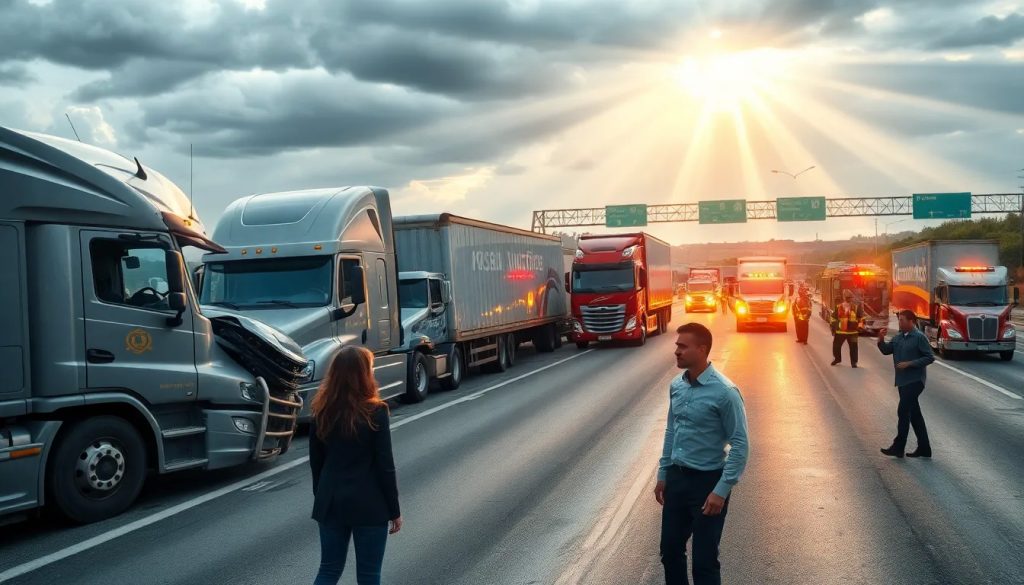
In the unfortunate event of a multi-vehicle accident on an interstate highway, it's crucial to know the immediate steps to protect yourself and your rights. Traffic pileups can lead to serious injuries, complex insurance claims, and legal disputes regarding liability. Understanding these intricacies is essential for victims seeking compensation.
This article will provide valuable insights into the steps to take following a multi-vehicle pileup and the importance of having an experienced attorney to navigate the complexities involved.
Understanding multi-car pileups: what are the key elements?
Multi-car pileups often occur when multiple vehicles collide in quick succession, creating a chaotic situation on the highway. Factors such as speed, weather conditions, and driver behavior significantly contribute to these accidents.
One of the key elements in understanding these incidents is the concept of chain reaction. In a chain reaction collision, the first impact can set off a series of subsequent crashes as vehicles behind react to the initial jolt. This can lead to a larger number of vehicles involved than in a typical accident.
To better grasp the complexities of multi-car pileups, consider the following factors:
- Speed: Higher speeds increase the likelihood of severe injuries and damage.
- Road conditions: Wet or icy roads can make it difficult for drivers to maintain control.
- Driver distractions: Texting or using mobile devices can result in delayed reactions.
Understanding these elements is crucial for victims when pursuing claims or determining liability.
Who is responsible in a multi-car pileup?
Determining responsibility in a multi-car pileup can be complex due to the involvement of multiple parties. Liability is often shared among negligent drivers, vehicle manufacturers, or even roadway maintenance authorities.
In many cases, the principle of comparative negligence applies. This means that each driver's percentage of fault can affect their ability to recover damages. For instance, if one driver was speeding while another was distracted, both parties may share liability, impacting their respective claims.
There are several factors that can influence liability:
- Eyewitness testimonies: Statements from witnesses can provide valuable insights into the incident.
- Traffic laws: Violations of traffic regulations can help establish fault.
- Accident reconstruction: Experts may analyze the scene to determine how the accident unfolded.
Having an experienced attorney can help navigate these complex issues and ensure that all responsible parties are held accountable.
What should you do immediately after a multi-vehicle accident?
Following a multi-vehicle accident, it’s essential to stay calm and follow specific steps to safeguard your health and legal rights. Here are the primary actions to take:
1. Check for injuries: Immediately assess yourself and others for injuries. Call 911 if anyone requires medical assistance.
2. Move to safety: If possible, move your vehicle to a safe location to prevent further accidents.
3. Document the scene: Take photographs of the accident scene, vehicle damage, and any relevant road conditions. This evidence can support your claim.
4. Exchange information: Collect contact details, insurance information, and driver’s license numbers from all involved parties.
5. Notify law enforcement: Report the accident to local authorities, as a police report may be necessary for insurance purposes.
Remember, do not admit fault at the scene. Liability determination can change as facts emerge, and any admission could negatively impact your case.
How is liability determined in chain reaction car accidents?
Liability in chain reaction car accidents often involves a detailed examination of the events leading to the crash. Various legal principles come into play, including comparative negligence laws, which can significantly affect the outcome of claims.
To determine liability, the following aspects are usually considered:
- Sequence of events: Analyzing how the accident unfolded helps establish who was at fault.
- Driver behavior: Investigating if any parties were driving recklessly or under the influence.
- Forensic evidence: The use of accident reconstruction experts can clarify how and why the accident occurred.
Understanding how liability is assessed is critical for victims seeking compensation and ensuring their rights are protected.
Common causes of multi-vehicle pileups: what you need to know
Multi-vehicle pileups can result from various factors, many of which are preventable. Some common causes include:
1. Distracted driving: Activities like texting or eating can lead to inattention and slower reaction times.
2. Speeding: Excessive speeds increase the force of impact and reduce the ability to respond to sudden changes on the road.
3. Poor weather conditions: Rain, fog, or ice can create hazardous driving conditions that lead to loss of vehicle control.
4. Driving under the influence: Alcohol and drugs impair judgment and reaction times, contributing to accidents.
Awareness of these causes can enhance driver vigilance and reduce the likelihood of accidents. Victims of pileups should seek legal representation to navigate the aftermath effectively.
How can an attorney help after a chain reaction highway pileup?
An attorney specializing in accidents involving trucks and multi-vehicle pileups can provide essential support during a challenging time. Their expertise is invaluable in several areas:
- Navigating insurance claims: Attorneys understand the insurance claims process and can help victims obtain fair compensation.
- Gathering evidence: They can collect and analyze the necessary evidence, including accident reports and witness statements, to strengthen your case.
- Legal representation: Having legal representation ensures that your rights are protected, and that you have someone advocating for your best interests.
If you’re involved in a multi-vehicle accident, consulting an attorney is vital to ensure you receive the compensation you deserve.
What are the potential damages you can recover after an accident?
Victims of multi-vehicle accidents may be entitled to recover various forms of damages. These can significantly influence the outcome of a claim. Potential damages include:
- Medical expenses: All costs related to treatment for injuries sustained in the accident.
- Lost wages: Compensation for income lost due to time off work for recovery.
- Pain and suffering: Damages awarded for physical and emotional distress resulting from the accident.
- Property damage: Reimbursement for repairs to your vehicle or for its total loss.
Understanding the full scope of potential damages is essential for ensuring that victims receive fair compensation for their suffering and losses.
Questions related to multi-vehicle accidents and liability
How is fault determined in a pileup?
In a pileup, fault is determined through a thorough investigation of the accident. Factors like traffic laws, driver actions, and eyewitness accounts are examined. It often involves understanding the sequence of events leading to the crash and any violations committed by drivers involved.
How much is the average accident settlement?
The average accident settlement can vary widely based on several factors, including the severity of injuries, insurance coverage, and the evidence supporting the claim. Generally, settlements can range from a few thousand dollars to potentially millions in cases involving significant injuries or fatalities.
Is it worth getting an attorney for a vehicle accident?
Yes, hiring an attorney for a vehicle accident is often worth it. An attorney can navigate the complexities of the legal system, negotiate with insurance companies, and ensure that your rights are protected. Their expertise can lead to a more favorable settlement than you might achieve on your own.
Who is responsible for a chain reaction accident?
Responsibility in a chain reaction accident can be shared among multiple parties, including drivers, manufacturers, or maintenance authorities. Establishing liability requires a careful review of the circumstances surrounding the accident, including driver behavior and compliance with traffic laws.


Deja una respuesta